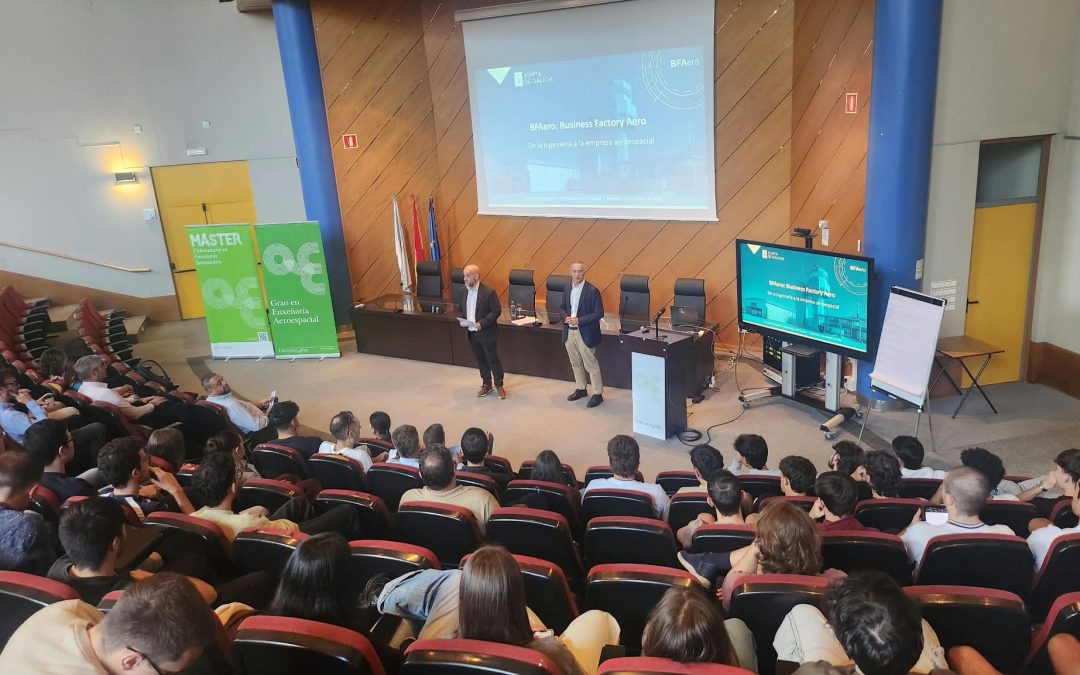
Business Factory Aero (BFAero) took part in the 19th Iberian Meeting of Science and Technology Parks, held at Tecnópole (Ourense), which brought together representatives from the innovation ecosystems of Spain and Portugal to foster collaboration and explore new opportunities in strategic fields such as aerospace, artificial intelligence, security and defence, and cybersecurity.
The event focused on the role of innovation and cooperation between companies, technology centres, science parks and institutions in driving the development of strategic sectors. Among the activities at the event was a round-table discussion on the aerospace sector, moderated by Luis García Santalla, president of the CEL-Aceleradora BFAero Foundation.
The aerospace sector: at the forefront of cooperation
The round-table discussion provided an opportunity to exchange views on the challenges and opportunities facing the aerospace sector, as well as on the importance of bringing together companies, organisations that support entrepreneurship and innovation bodies to foster the development of new initiatives and create opportunities for collaboration.
The discussion was attended by Jan Mataró, CTO and co-founder of Kreios Space; Miguel Ladrón de Cegama, director of MLC Consulting and head of content at EDOS; Carmen Verdejo, director of the Department of Innovation and Entrepreneurship at ICECYL; and Jorge Pimenta, director of innovation at IPN Coimbra, AESA’s incubator. Their backgrounds, spanning the business, technology and institutional sectors, provided different perspectives on the aerospace ecosystem.
Galicia, a strategic hub for aerospace innovation
The hosting of the 19th Iberian Meeting in Galicia forms part of the region’s drive to promote strategic technologies, through the Strategic Initiative for Security, Defence and Aerospace 2025–2030, and its long-standing collaboration with Portugal on R&D&I projects.
Ourense and Tecnópole offer a particularly favourable environment for these links, thanks to their proximity to the International Iberian Nanotechnology Laboratory (INL) in Braga; the plan for Tecnópole to host Galicia’s Centre of Excellence in Cybersecurity; and the expertise available at the Ourense campus of the University of Vigo in aerospace engineering, artificial intelligence and computer engineering.
This context offers new opportunities to foster partnerships between science and technology parks, businesses, institutions and talent from both countries, thereby promoting the development of joint projects in strategic sectors.
New partnerships for the innovation ecosystem
Organised by the Spanish Association of Science and Technology Parks (APTE) and TecParques, the Portuguese Association of Science and Technology Parks, the 19th Iberian Meeting also featured sessions on artificial intelligence, dual-use applications, STEAM talent and the future of science and technology parks, as well as networking opportunities to foster new business connections.
Taking part in initiatives of this kind enables BFAero to continue strengthening its links with the innovation and entrepreneurship ecosystem in Spain and Portugal, expanding opportunities for collaboration and contributing to the growth of start-ups and the development of the Galician aerospace sector.
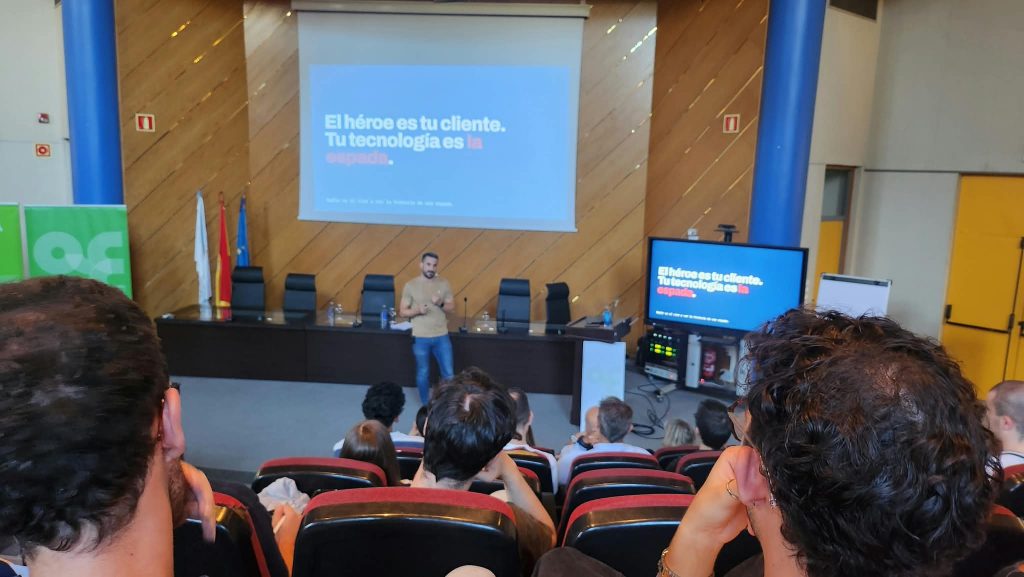
The technology may work. But what is the business case? Taking this question as their starting point, participants at the 7th edition ofBusiness Factory Aero (BFAero) took part in a new training session held at the School of Aeronautical and Space Engineering at the University of Vigo, in Ourense.
The event brought together around 60 students and the Luxsit, ShareWing, Arzeos, DroneSilencer, Binarial and DroneCleanerprojects, in a session focusing on two key aspects for any start-up: understanding how to run a business and how to turn a solution into a viable business model.
Business management to drive a start-up forward
The first part of the day was devoted to the training session ‘Key aspects of business management for start-ups’, during which participants were able to explore in greater depth some of the essential elements involved in organising, planning and growing a business venture.
The session covered aspects relating to management and leadership, organisational structure, talent management and organisational communication, alongside key planning issues such as the business plan, the financial plan and the various sources of funding.
The session also covered tools and criteria for monitoring results and decision-making, process optimisation, team coordination and the key legal aspects that must be taken into account when developing a start-up.
A practical guide to the various areas of business management, which enabled the participating projects to focus not only on their technological solution, but also on the structures and decisions required to turn it into a sustainable business.
From technology to the business model
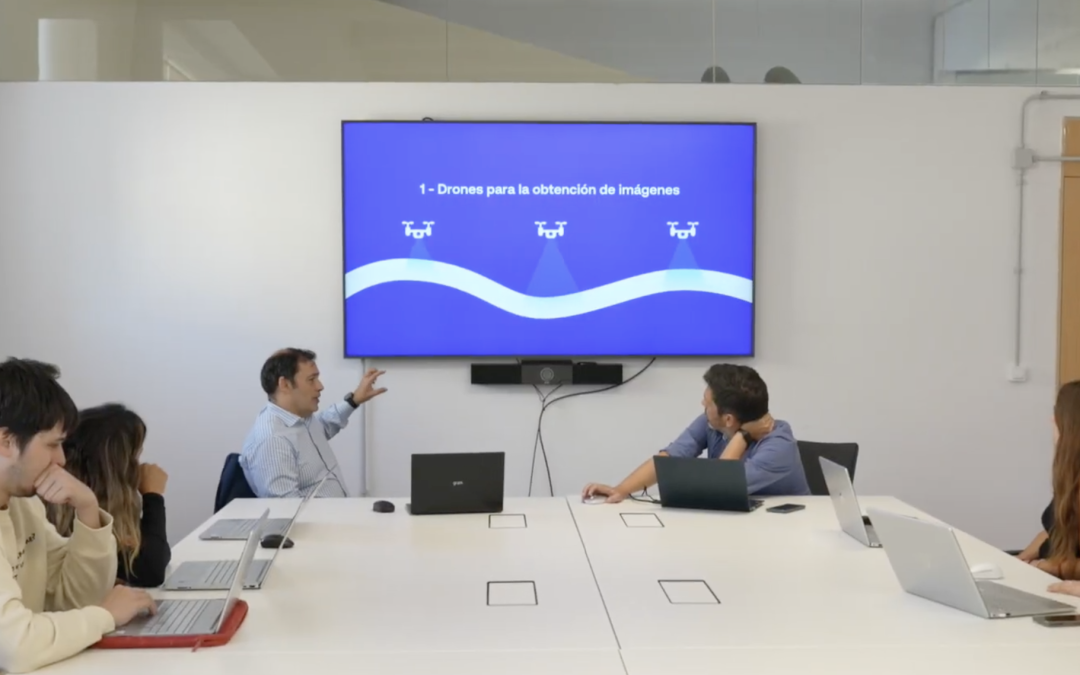
One of the highlights of the day was the session entitled “Business Model Generation for Engineers”, led by Daniel Franco, Business Innovation Manager at Airbus, as part of Airbus’s collaboration with BFAero.
The training session took a practical approach to how to turn a technological solution into a viable business model: understanding the customer, defining the value proposition and identifying who uses the solution, who makes the decision and who pays for it.
Using tools such as the Business Model Canvas, participants were able to work interactively on the various elements that make up a business model and reflect on how to align a technological proposal with the market’s actual needs.
The session sparked great interest amongst both the participating start-ups and the students, creating a space for learning and the exchange of experiences relating to innovation and entrepreneurship.
BFAero presents its 8th edition
The event also served to present the BFAero programme and officially announce the opening of applications for its 8th edition. Luis García Santalla, the programme manager, was responsible for announcing the new call for applications and highlighting the support that BFAero offers to projects linked to the aerospace sector.
With the launch of this new edition, BFAero continues to drive the development of innovative initiatives and to provide entrepreneurs with access to training, specialist knowledge and connections with companies and stakeholders within the ecosystem.
A space to learn, connect and create opportunities
The day concluded with a networking session between the participating projects and organisations, which provided an opportunity to share experiences, make new contacts and explore potential opportunities for collaboration.
These kinds of events form part of the support that BFAero offers its start-ups, combining business training, industry expertise and connections within the ecosystem to help projects move from technology towards business models with growth potential.
The 8th call for proposals for BFAero is now open, and if you’re considering submitting your project, we’d like to help you resolve any queries you may have during the process.
We will therefore be holding an online information webinar on 15 October, from 3.00 pm to 3.45 pm, during which we will go through the key aspects of the call for proposals and answer questions from interested projects and companies.
In addition, we will be joined by SLIMOP Space, a project that took part in the 6th edition of BFAero as part of the Acceleration track and in the 7th edition as part of the Consolidation track, and which will share its experience and explain how its time on the programme has helped it to develop and consolidate its project.
What will you find out in the webinar?
During the session, we will discuss what Business Factory Aero (BFAero) is and what it offers start-ups, how to take part in this new edition, and what factors are taken into account during the selection process.
We will also provide a practical guide to the assessment criteria and the application form to help you prepare your application, and we will set aside some time at the end to answer any queries or questions.
If you are thinking of applying for the 8th call for applications, this webinar will be a great opportunity to find out more about the programme, gain first-hand insight into a project that has been part of BFAero, and clarify any queries you may have before submitting your application.
Please note that the deadline for submitting nominations is 30 October 2026.
BFAero: an opportunity to give your project a boost
Through its various programmes, BFAero offers funding, specialist support, links to the industry and opportunities for growth for projects in the aerospace, aeronautics and unmanned vehicle sectors.
Since 2019, projects that have been supported by BFAero have generated more than €28 million in turnover and attracted €16 million in investment.
If you have an innovative project and want to take the next step, we look forward to seeing you on 15 October.
Sign up and get answers to your questions about the 8th BFAero call for applications!
La compañía gallega, que ha recorrido los itinerarios de Incubación, Aceleración y Consolidación de Business Factory Aero, ha obtenido la patente US 12,694,502 B1 para un sistema que combina drones, georreferenciación y visión artificial basada en inteligencia artificial para detectar y evaluar defectos en pavimentos.
Aguia Analítica Avanzada, company taking part in Business Factory Aero (BFAero), has been granted US patent No. 12,694,502 B1 in the United States for its technology for inspecting and assessing the condition of road surfaces.
The patent, granted by the United States Patent and Trademark Office (USPTO) on 28 July 2026, it protects a system for inspecting road surfaces by combining drones, image capture, geolocation, sensors and computer vision algorithms based on artificial intelligence.
The system enables pavement defects to be detected, located and measured using images captured from the air, and this information to be used to assess the condition of the pavement. In this way, the technology aims to facilitate the processing of large volumes of data and to automate some of the inspection tasks that traditionally require a significant investment of resources.
The granting of this patent recognises the technological development achieved by Aguia Analítica Avanzada and strengthens the protection of its technology – which originated and was developed within the Galician technology ecosystem – in the US market, whilst also marking a new step forward in the company’s international expansion and its commitment to applying artificial intelligence and unmanned aerial systems to the inspection and management of infrastructure.
From incubation to consolidation at BFAero
Aguia Analítica Avanzada’s journey is closely linked to BFAero. The company began its journey in the 4th edition, as part of the Incubation phase; it subsequently moved on to the Acceleration phase in the 5th edition and completed its time on the programme in the Consolidation phase during the 6th edition.
This journey reflects the gradual maturation of a technology that has progressed from its early stages of development to achieving new technological milestones and safeguarding its intellectual property, such as the recent granting of a patent in the United States.
BFAero: fostering talent and innovation in the aerospace sector
Business Factory Aero is a sector-specific programme for the incubation, acceleration and consolidation of projects in the aeronautical, aerospace and unmanned vehicle sectors, promoted by the Regional Government of Galicia through IGAPE and XesGalicia, and managed by the CEL Iniciativas por Lugo Foundation.
Since its launch, BFAero has supported 68 projects involving 49 companies, more than 80 per cent of which are still in operation. These companies generate 320 jobs and an annual turnover of more than 28 million euros, and have attracted 14 million euros in investment over the last two years.
The track record of Aguia Analítica Avanzada and the granting of this US patent thus demonstrate the ability of projects linked to BFAero to develop advanced technological solutions and bring them to new international markets.
The 8th call for proposals from BFAero is open to new projects and companies wishing to develop and scale up their solutions within this specialised ecosystem.
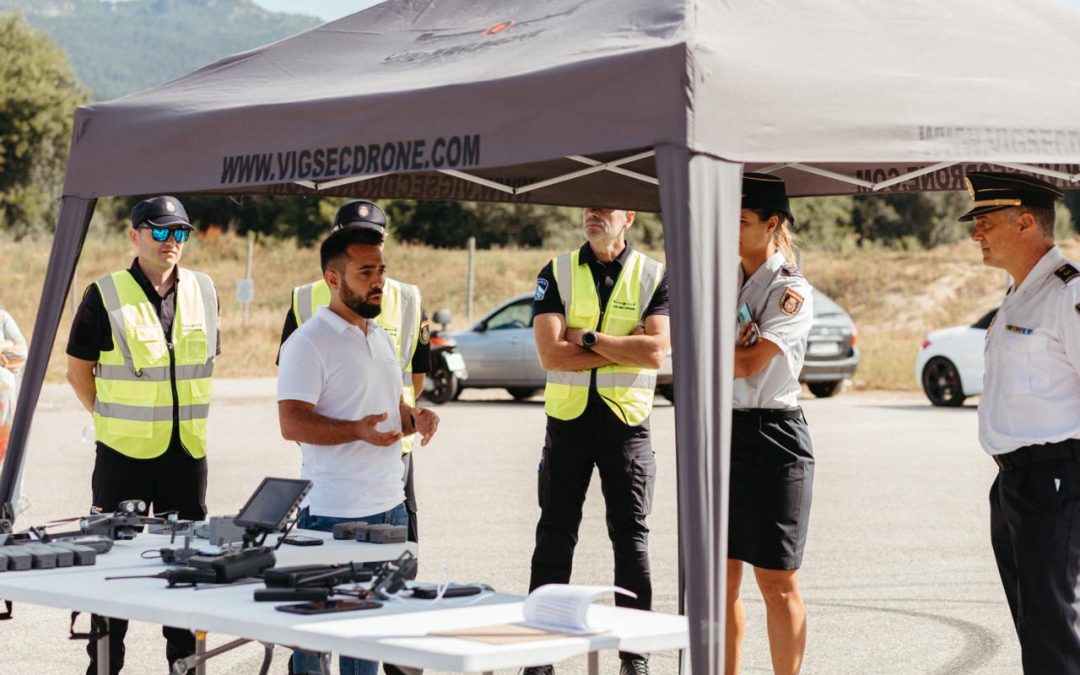
The Galician company Vig-Sec Drone, a participant in the Acceleration track of the 5th edition and the Consolidation track of the 6th edition of the Business Factory Aero (BFAero), has been selected by the technology accelerator DIANA (Defence Innovation Accelerator for the North Atlantic) to take part in its Mission Track phase (a phase focused on operational adoption). Only 15 companies from the 2026 cohort – comprising 150 innovators selected from over 3,600 proposals – have progressed to this new phase of the programme.
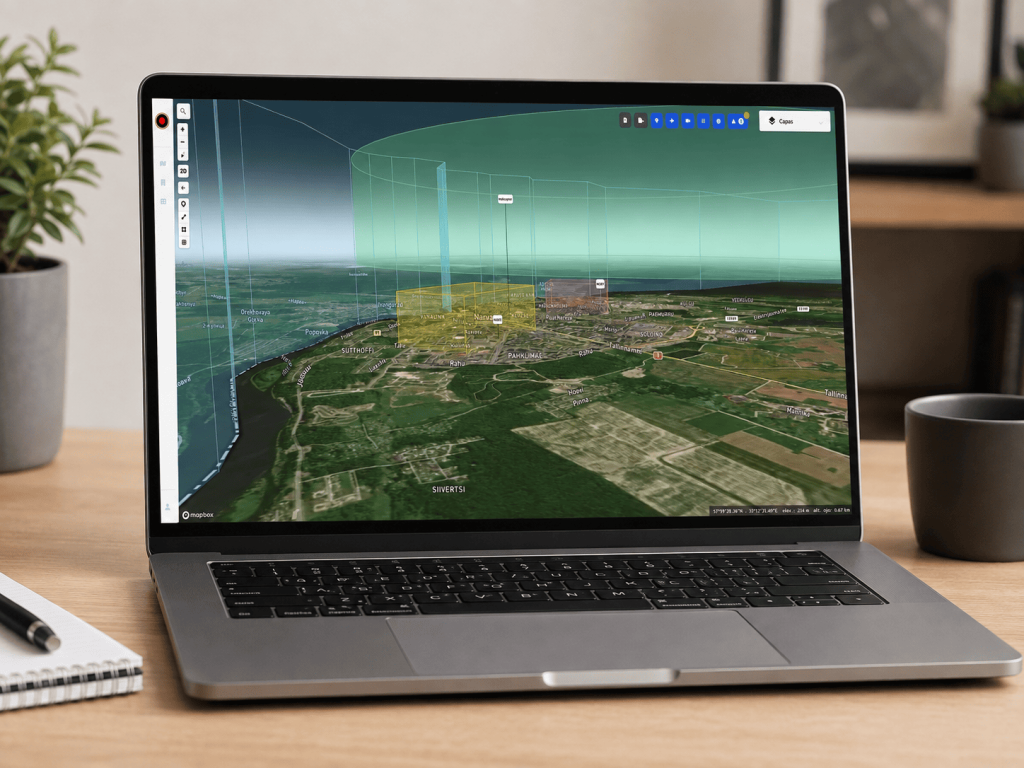
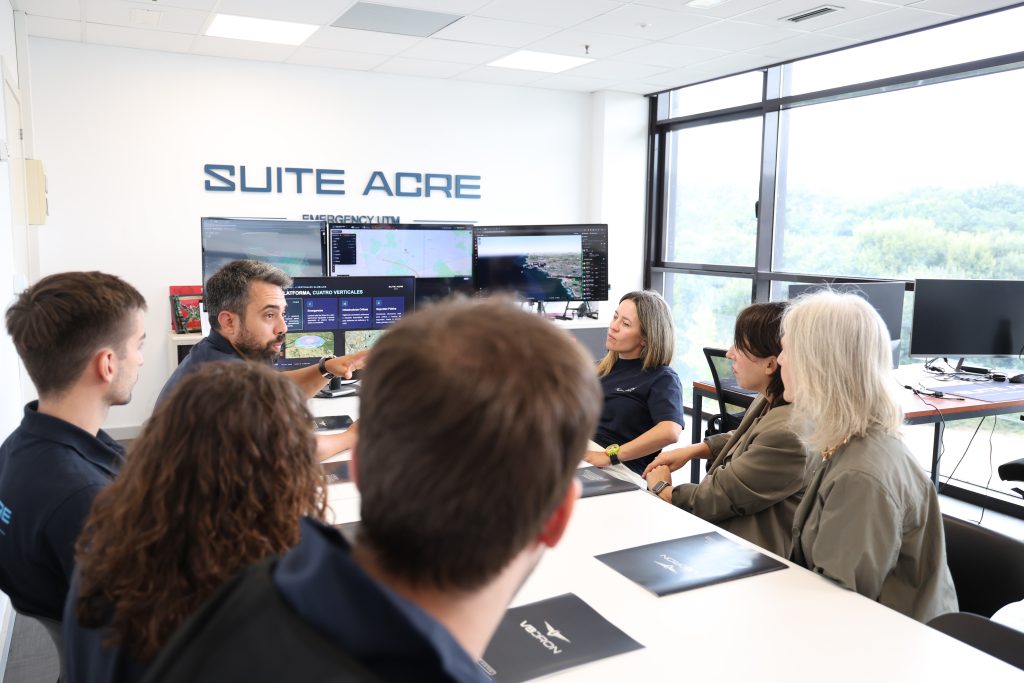
The company is participating with Suite ACRE, a technology platform developed for the tactical management and coordination of medium- and low-altitude airspace, which enables information from the company’s own drones, counter-drone (C-UAS) systems and other aerial assets to be integrated into a single coordination layer.
Mission Track is the follow-on phase of NATO’s DIANA acceleration programme, aimed at technologies that have demonstrated strong relevance to defence and a clear alignment with the operational needs of allied countries. Its aim is to bring the selected solutions closer to operational readiness and to facilitate pathways for their adoption at scale.
The selected companies can access up to 300,000 euros in additional non-dilutive contractual funding, as well as continuing to use the NATO DIANA network of test centres and receiving specific support to advance their adoption and scaling-up processes.
Validation in international operational environments
Alongside this new development within NATO DIANA, the ACRE Suite is taking part in REPMUS26 over the coming weeks, a multinational exercise dedicated to the testing and integration of unmanned systems, which is taking place in Troia and Sesimbra, Portugal, between 31 August and 25 September.
The exercise brings together 36 countries and more than 130 dual-use technology suppliers to NATO, as well as organisations such as the European Defence Agency (EDA) and the European Maritime Safety Agency (EMSA), and provides a benchmark environment for testing the interoperability of new technologies in operational scenarios.
According to Vig-Sec Drone, the ACRE Suite is being used during the exercise to coordinate airspace at medium and low altitudes, thereby further validating the platform in international scenarios with high operational demands.
A career linked to BFAero
Founded in Galicia in 2019, Vig-Sec Drone has built a track record closely linked to the Galician ecosystem of innovation and technological entrepreneurship. The company took part in BFAero, joining the Acceleration programme in the 5th edition and the Consolidation programme in the 6th edition, stages during which it was able to drive the development and growth of its project within an environment specialising in the aeronautical, aerospace and unmanned vehicle sectors.
Their progress reflects the potential of the projects supported by BFAero to move from technological development to operational validation, to forge links with major players in the sector, and to expand into international markets.
ACRE Suite currently has over 2,000 users and is in use by public bodies, emergency services and units of the Armed Forces. The platform has already taken part in national and international exercises such as ATLAS, Steadfast Dart and Spring Storm, and at the end of September it will also be taking part in Drone Shield 2026 in the Czech Republic.
Participation in REPMUS26 and selection for NATO DIANA’s Mission Track thus represent two milestones in Vig-Sec Drone’s international track record and highlight the ability of companies linked to the BFAero ecosystem to develop technological solutions with international applications in strategic sectors.
Business Factory Aero, promoted by the Galician Regional Government through IGAPE and XesGalicia and managed by the CEL Iniciativas por Lugo Foundation, supports projects in the aeronautical, aerospace and unmanned vehicle sectors during their incubation, acceleration and consolidation phases. The 8th call for proposals from BFAero is open to new projects and companies wishing to develop and scale up their solutions within this specialised ecosystem.
Business Factory Aero (BFAero), the business incubator and accelerator promoted by the Galician Regional Government (Xunta de Galicia) through the Galician Institute for Economic Promotion (IGAPE) and XesGalicia, is launching its 8th edition with the aim of supporting projects that provide an innovative response to the current challenges facing this industry.
Its specialised focus on the aeronautical, aerospace and unmanned vehicle sectors, and its links with industry, set BFAero apart from other initiatives, providing a competitive environment for project development.
Since its launch in 2019, it has supported 49 new projects, more than 80 per cent of which remain active and are continuing to grow. These companies have created more than 320 skilled jobs and generated an annual turnover of more than 28 million euros.
In the last two rounds, BFAero companies have raised more than 14 million euros, with around 70 per cent coming from private equity, confirming the programme’s ability to transform strategic technologies into companies that are attractive to investors.
From technology to the market
The eighth edition of BFAero provides participating projects with expert mentors in areas such as aeronautics, UAV regulations, intellectual property, business management and marketing, with the aim of transforming start-ups into innovative, viable and scalable companies within the aeronautical and aerospace sector.
The accelerator connects projects with a unique ecosystem linked to leading companies such as Airbus, Telespazio and Avincis , and more than 55 organisations – including technology centres, universities and companies in the sector – with which it promotes proactive business networking. It also provides workspaces at the Pazo de Feiras in Lugo, near Rozas Aerodrome and the Rozas Aerial Research Centre (CIAR).
Up to €250,000 in funding
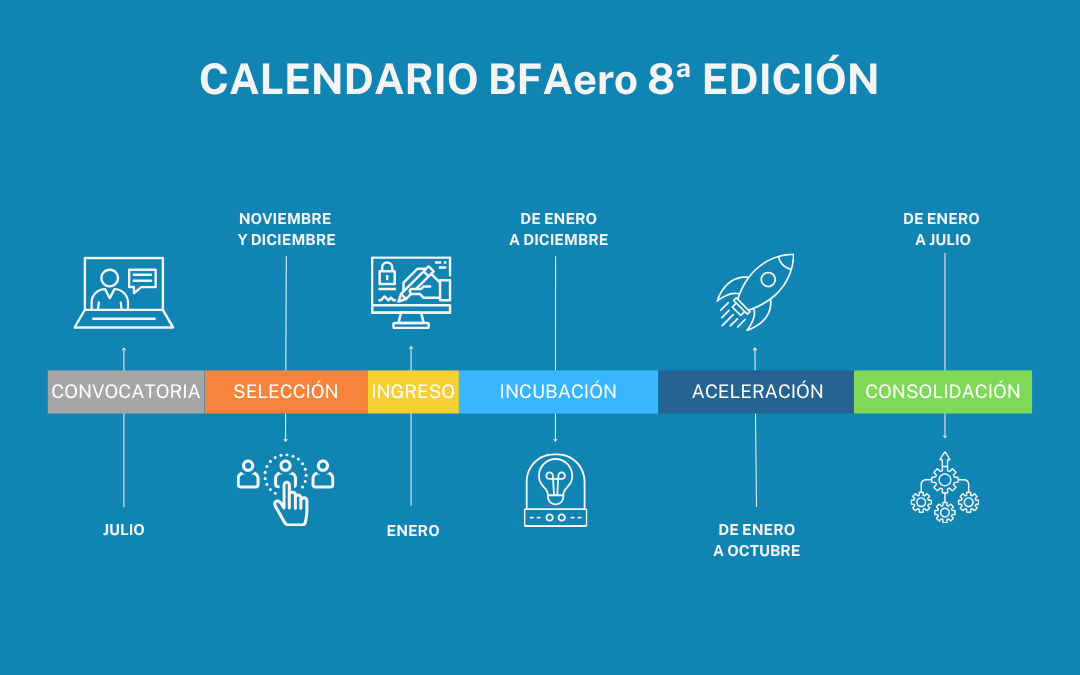
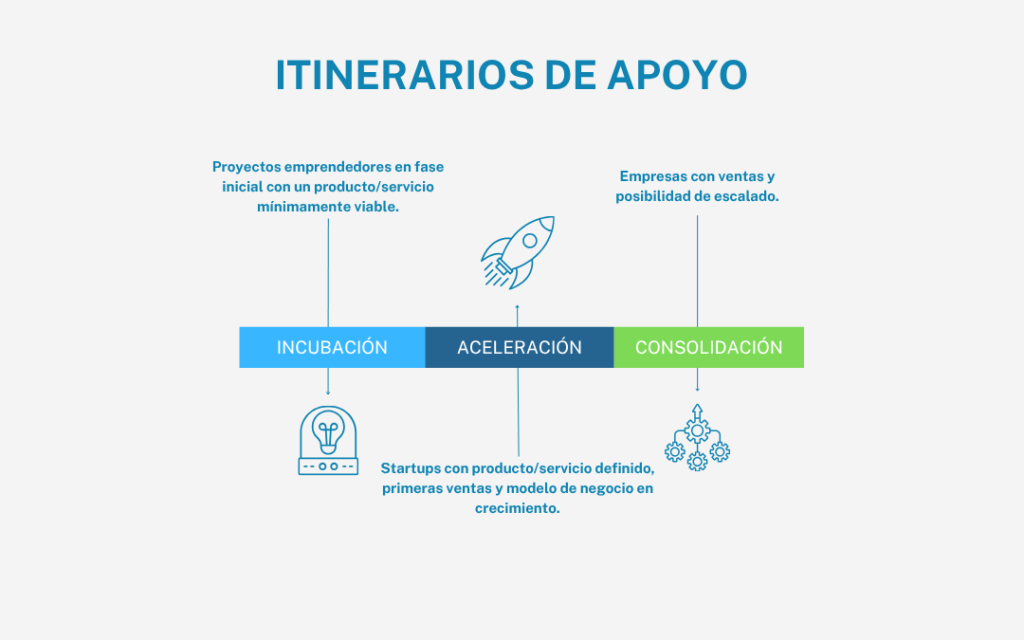
The programme offers three tracks, tailored to the maturity level of each project. Incubation, for the early stage, where the value proposition has not yet been validated, lasting up to 12 months. Acceleration, aimed at projects with a developed Minimum Viable Product (MVP) that are making their first sales, lasting 8 months. And Consolidation, a programme designed for companies with a defined product or service and actual sales, seeking to scale up their business, lasting up to 6 months.
During the Incubation phase, start-ups will have access to non-repayable funding of up to 40,000 euros through the Galician Institute for Economic Promotion (Igape). Projects in the Acceleration phase will receive non-repayable funding from Igape of up to 60,000 euros and the possibility of an equity stake through a participatory loan of up to 50,000 euros, with the option to capitalise this through Xesgalicia, the investment vehicle of the Xunta de Galicia.
Companies in the consolidation phase will be able to access up to 30,000 euros through Igape in the form of a non-repayable grant. Should the company so request, and as part of a funding round, a direct equity investment of up to 250,000 euros may be considered.
Para ofrecer las mejores experiencias, utilizamos tecnologías como las cookies para almacenar y/o acceder a la información del dispositivo. El consentimiento de estas tecnologías nos permitirá procesar datos como el comportamiento de navegación o las identificaciones únicas en este sitio. No consentir o retirar el consentimiento, puede afectar negativamente a ciertas características y funciones.
Funcional
Always active
El almacenamiento o acceso técnico es estrictamente necesario para el propósito legítimo de permitir el uso de un servicio específico explícitamente solicitado por el abonado o usuario, o con el único propósito de llevar a cabo la transmisión de una comunicación a través de una red de comunicaciones electrónicas.
Preferencias
El almacenamiento o acceso técnico es necesario para la finalidad legítima de almacenar preferencias no solicitadas por el abonado o usuario.
Estadísticas
El almacenamiento o acceso técnico que es utilizado exclusivamente con fines estadísticos.El almacenamiento o acceso técnico que se utiliza exclusivamente con fines estadísticos anónimos. Sin un requerimiento, el cumplimiento voluntario por parte de tu proveedor de servicios de Internet, o los registros adicionales de un tercero, la información almacenada o recuperada sólo para este propósito no se puede utilizar para identificarte.
Marketing
El almacenamiento o acceso técnico es necesario para crear perfiles de usuario para enviar publicidad, o para rastrear al usuario en una web o en varias web con fines de marketing similares.