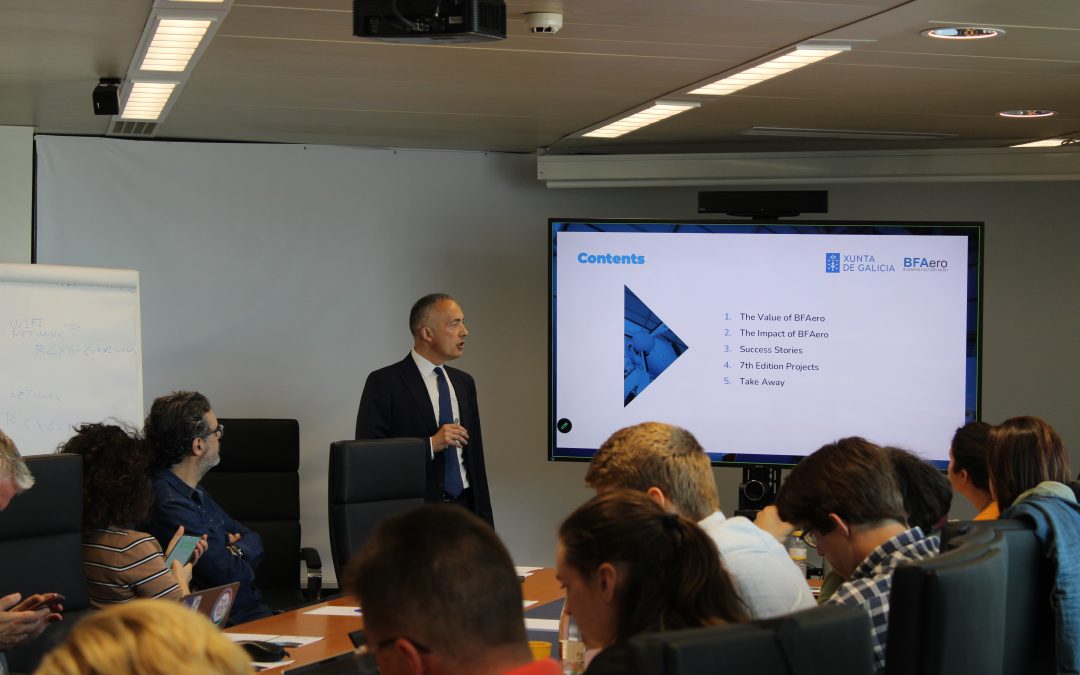
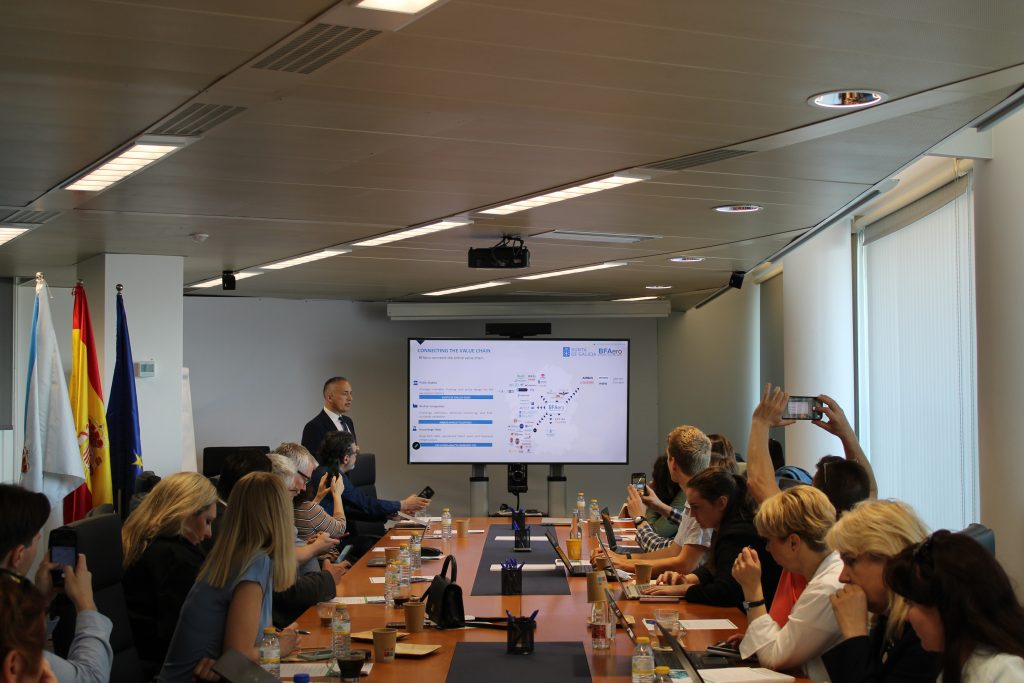
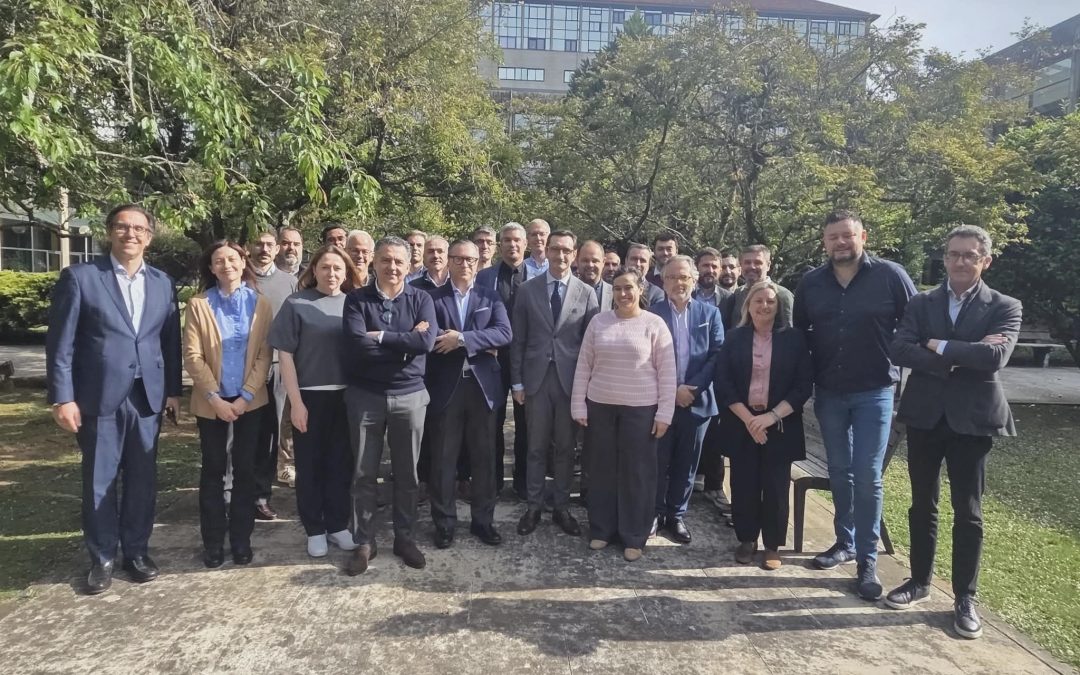
BFAero took part in the seventh interregional meeting of the European projectMAE (Moving Towards Aerospace) cas a benchmark for a vertical accelerator model. This is an Interreg Europe initiative in which ten regions from seven countries, including Galicia, are working together to build more competitive, innovative and connected aerospace ecosystems.
Europe is turning its attention to Galicia through an exchange programme that is attracting increasing interest and has three objectives:
The development of a robust aerospace ecosystem
Transforming talent and innovation into viable businesses
The design of a public incubation and acceleration programme with a real impact.
During the event, the team behind the aerospace accelerator – backed by the Galician Regional Government and run by the CEL Foundation – shared some key elements of its model. Representatives from the Netherlands, Norway, Italy, the Czech Republic, Romania, Serbia, Ukraine and Ireland expressed interest in the five elements underpinning the BFAero model:
Governance
Involvement of leading companies
Public-private partnership
Sector-specific expertise
The ability to generate economic and industrial impact in the region.
Now in its seventh year, BFAero has established itself as one of the key drivers of aerospace entrepreneurship in Spain. Its track record demonstrates the value of combining institutional support, strategic vision and industry connections to support technology start-ups as they grow and consolidate their position.
The results speak for themselves:
Creation of more than 275 skilled jobs
A total of €14 million raised by the supported projects
Establishment of a collaborative network comprising more than 55 organisations from the aerospace and technology sector.
Behind these results lies the sustained commitment of the Xunta de Galicia, which has driven the programme by integrating it into a long-term strategic vision known as the Strategic Initiative on Security, Defence and Aerospace 2025–2030 (Iesda), which has been allocated €183 million in public investment and is estimated to be capable of mobilising around €900 million through public-private partnerships.
BFAero plays an active role in this strategy, helping to strengthen Galicia’s aerospace ecosystem and promote the region internationally as a hub for innovation, industry and technology.
This specialised training programme, aimed at professionals, managers and companies seeking to strengthen their capabilities in the field of security and defence, forms part of the regional government’s commitment to establishing Galicia as a region with competitive industrial and technological capabilities in this strategic sector.
Specialised training for a growing sector
The programme, which began on 17 April in a blended learning format and runs for a total of 128 hours, offers participants a comprehensive overview of the defence industry ecosystem, covering aspects such as financing, programme management, innovation and business opportunities within the sector.
The involvement of projects from the BFAero ecosystem in this initiative is enabling their teams to gain a deeper understanding of how the sector operates, learn about new management tools and analyse existing opportunities within a highly technological and regulated environment.
Training and strategic vision
The participation of Drone Silencer, Kreios Space and Binarial in this programme reflects the BFAero ecosystem’s commitment to continuous training, specialisation and the development of strategic capabilities in fields linked to the aerospace, technology and defence sectors.
In addition to the knowledge gained during the sessions, this experience is fostering the exchange of knowledge and networking with professionals, institutions and companies in the sector, broadening the strategic vision of the participating projects and creating new opportunities for collaboration.
BFAero and fostering innovative talent
BFAero remains committed to integrating high-value-added training initiatives into its projects, with a view to fostering business growth, technological specialisation and links with emerging and strategic sectors.
The participation of startups from the ecosystem in programmes such as the one promoted by the Xunta de Galicia and the EOI reinforces Galicia’s position as a leading hub for aerospace and technological innovation, as well as BFAero’s commitment to fostering talent and business competitiveness.
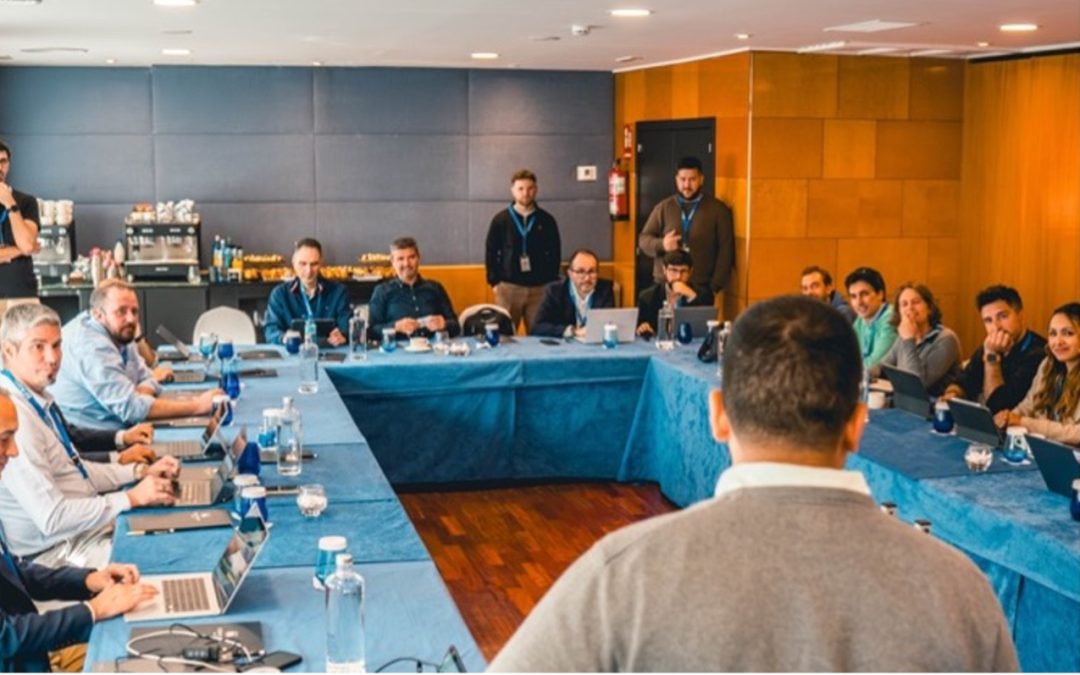
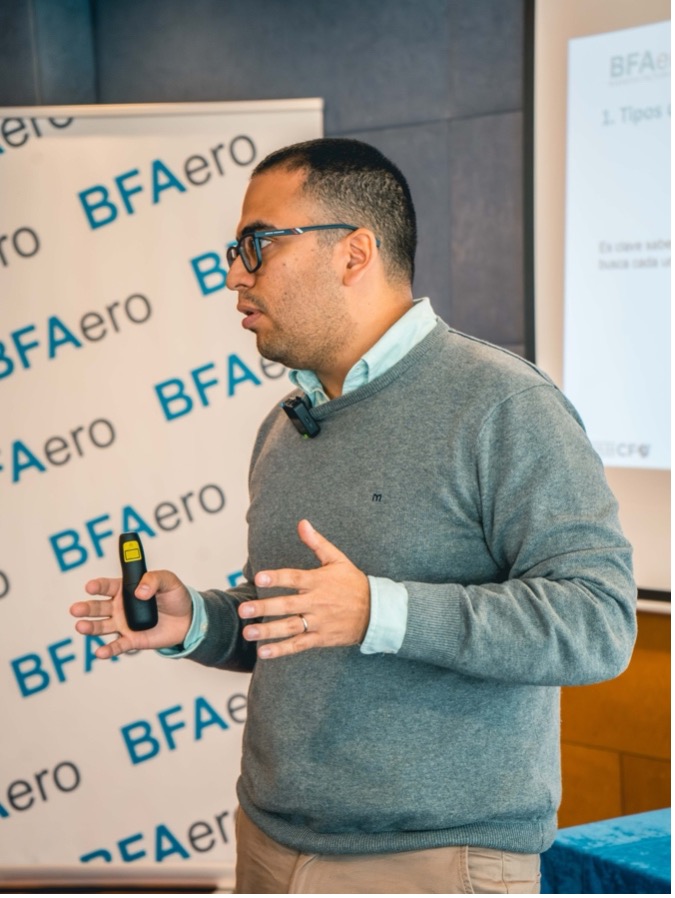
Participants in the 7th edition of Business Factory Aero (BFAero) attended a new in-person session held at the Eurostars Atlántico Hotel (A Coruña), focusing on a key aspect for the growth of any start-up: financial planning and preparation for Investor’s Day.
The session was designed with a practical focus to address some of the most common questions asked by entrepreneurs: how to present a project to investors, what information is essential to include, and how to structure a compelling pitch that captures their interest.
Finance and key metrics for attracting investment
Under the guidance of John Henry Belalcázar, co- founder of Impulsa CFO and Chief Financial Officer at INLAB, the entrepreneurs worked on how to structure a proposal that combines financial soundness with persuasive power.
During the training session ‘Finance for Start-ups and Preparing for an Investor’s Day’, key topics were covered, such as researching investors, financial planning and defining key performance indicators (KPIs), alongside the role of financial statements and financial reporting as tools for building confidence.
Beyond the figures, the focus was on how to turn all this information into a clear and compelling narrative, capable of capturing the attention of potential investors and turning opportunities into real projects.
Internationalisation and new growth opportunities
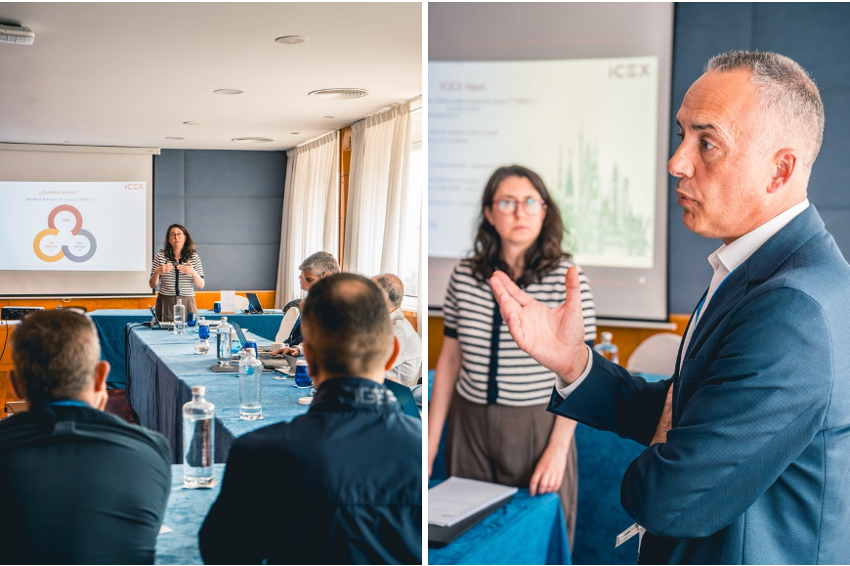
In an increasingly competitive environment, scaling up a project means looking beyond the local market. With this in mind, the event gave participants a first-hand insight into the opportunities offered by ICEXSpain Export and Investment to support international expansion.
Myriam Pérez Nogueira, Provincial Director of Trade and Regional Representative for A Coruña and Lugo, presented the key tools of the Desafía and ICEX Next programmes, which are designed to boost the international growth of companies with innovative potential.
Networking to strengthen the ecosystem
La jornada se completó con un espacio de networking, donde los participantes pudieron intercambiar experiencias, generar contactos y explorar posibles colaboraciones.
Through initiatives such as this, BFAero continues to support start-ups as they develop, providing them not only with technical expertise but also with strategic tools to grow, connect and compete in a global environment.
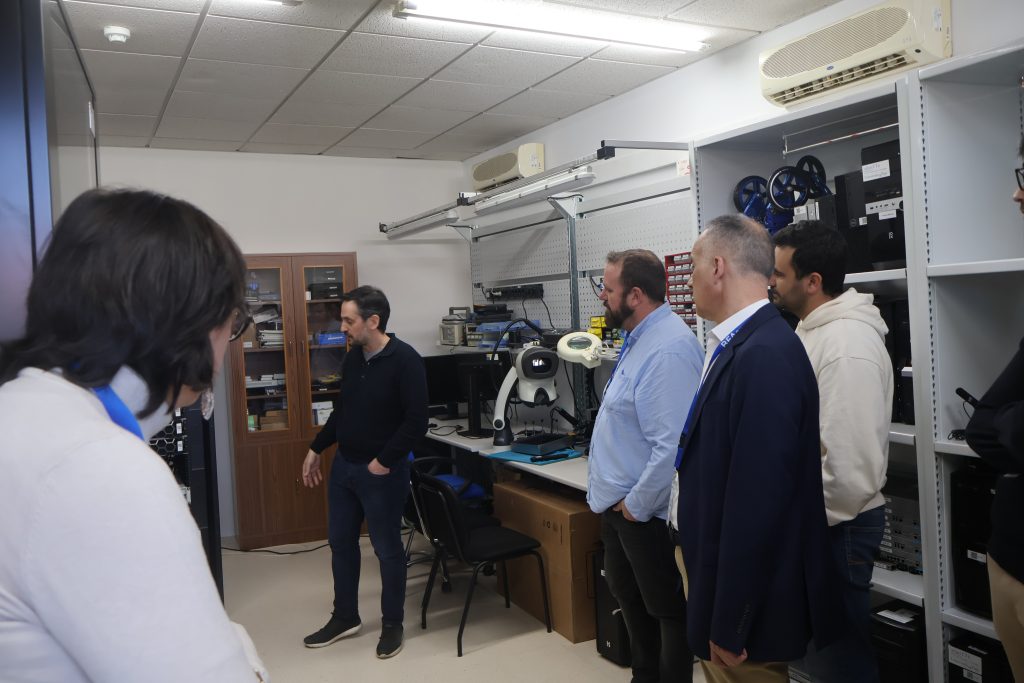
The projects taking part in the 7th edition of Business Factory Aero (BFAero) visited the atlanTTic research centre as part of an event aimed at fostering collaboration and creating synergies between start-ups and the research community.
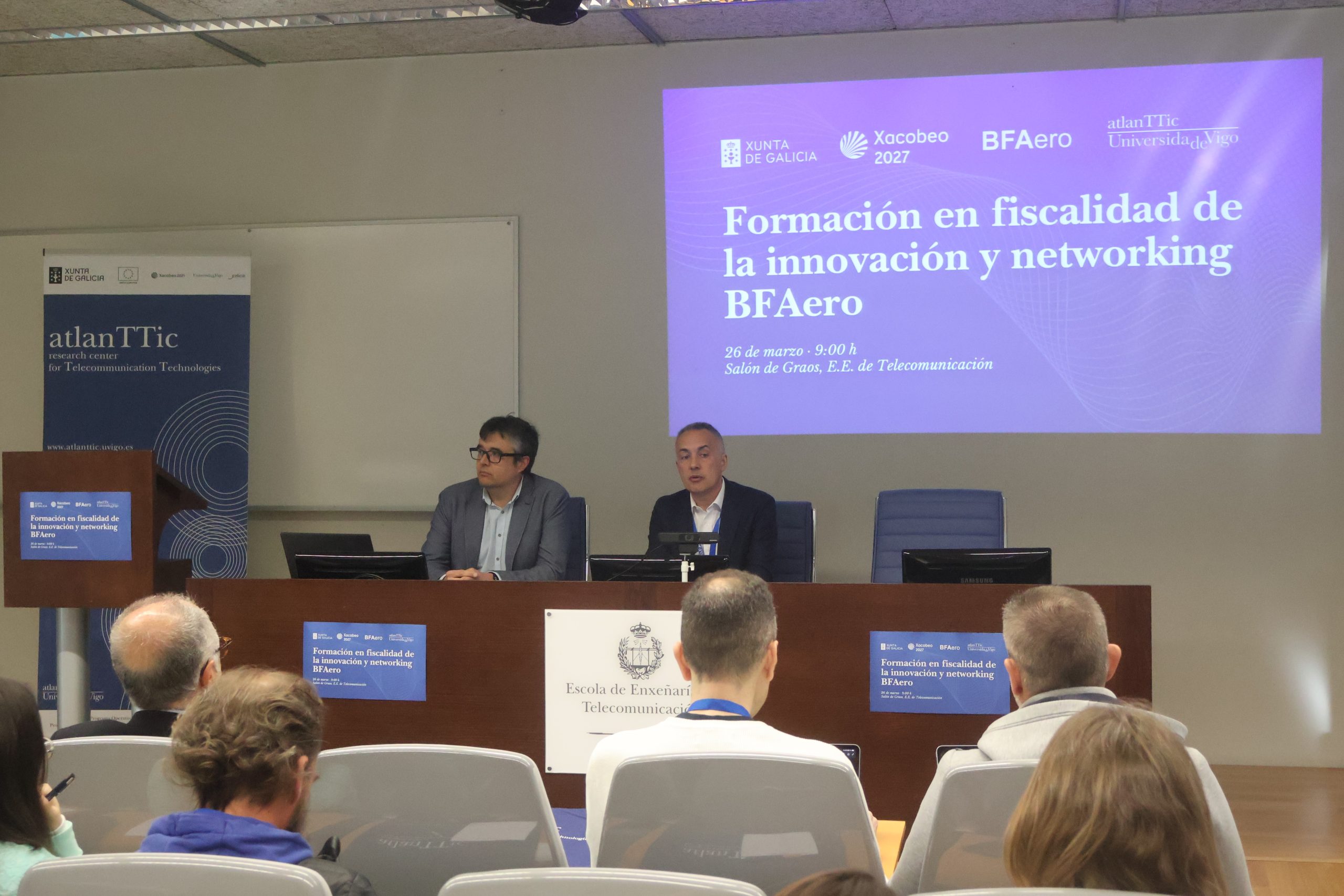
The event was opened by Luis García Santalla, President and CEO of Fundación CEL, and Luis Sabucedo, Deputy Director of atlanTTic, who highlighted the importance of fostering links between the entrepreneurial sector and the research ecosystem as a catalyst for the development of innovative projects.
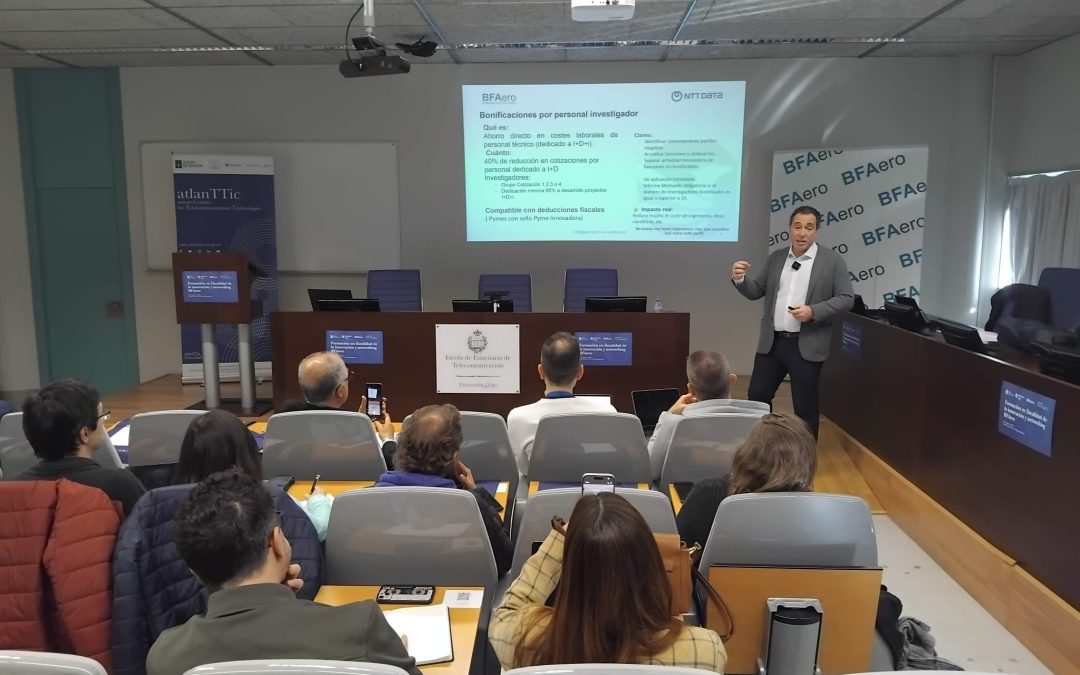
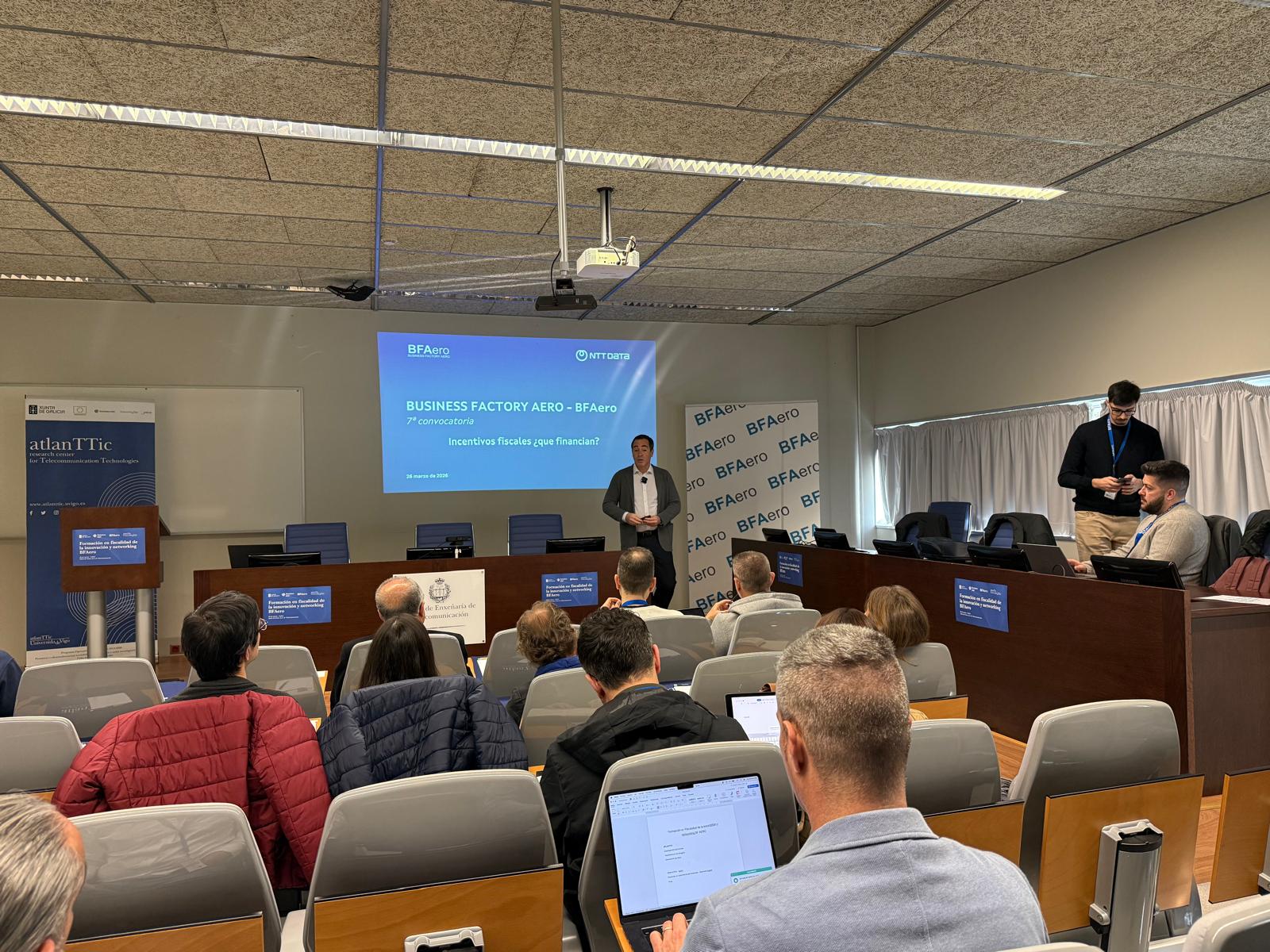
The day began with a session entitled “Taxation of Innovation”, led by José María Pina Sánchez-Mariscal, Managing Partner at APTKI, during which participants were able to learn about the main tax incentives for innovation and their practical application in R&D&I projects.
The BFAero teams then took part in a project presentation session for atlanTTic staff. Using a streamlined format, each start-up provided an overview of its initiative and outlined the areas where it required external support, with the aim of identifying potential avenues for collaboration with the research centre.
This exercise enabled participants to share their technological needs, development challenges and areas of focus, thereby helping to identify points of connection between the projects and atlanTTic’s capabilities.
Understanding the environment and building connections
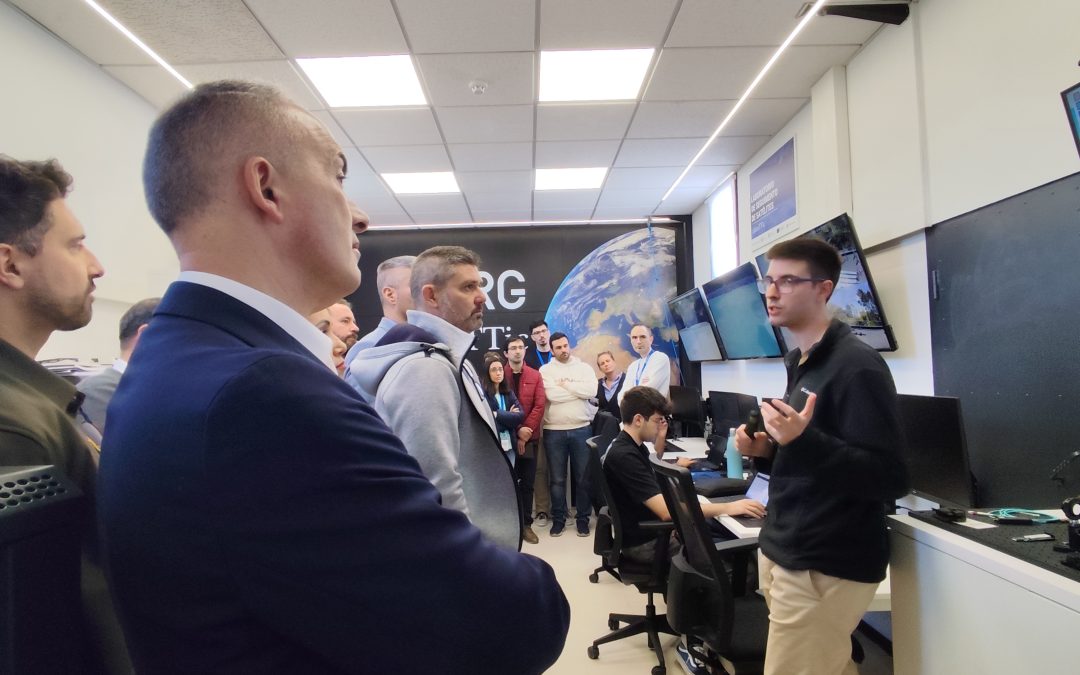
The day continued with a guided tour of the atlanTTic laboratories, where participants were able to see first-hand the facilities, capabilities and main areas of research in the field of telecommunications technologies.
The programme concluded with a networking session, which facilitated direct dialogue between start-ups and research staff, building on the collaboration opportunities identified during the session and fostering new connections between the participating organisations.
atlanTTic, a strategic partner in innovation
atlanTTic is a research centre at the University of Vigo specialising in telecommunications technologies, which carries out its work in areas such as communications, digital services, cybersecurity and technologies applied to various strategic sectors. Its approach combines cutting-edge research with knowledge transfer, actively collaborating with companies and institutions to drive innovation.
Furthermore, its involvement in international initiatives such as the Artemis II mission – in which the Aerospace Technology Group at the University of Vigo is monitoring the Orion spacecraft – highlights the high standard of its technological capabilities and its leading role in cutting-edge projects within the space sector.
Initiatives of this kind reinforce BFAero’s role as a catalyst for connections within the aeronautical and technological ecosystem, bringing start-ups into contact with key players in the research sector and facilitating their access to specialist knowledge and technological resources.
Creating synergies between start-up projects and centres such as atlanTTic helps to accelerate the development of innovative solutions, driving the growth of start-ups and strengthening the ecosystem.
As part of its ongoing commitment to providing entrepreneurs with specialised tools to help them drive their projects forward, Business Factory Aero (BFAero) has added a new course to its programme: “Taxation of Innovation”, delivered by José María Pina Sánchez-Mariscal, Managing Partner at APTKI.
The session, which took place at the atlanTTic research centre, enabled participants to gain an understanding of the main tax incentives for innovation and their practical application in technology start-ups.
Training delivered by an expert in innovation and funding
During the 90-minute training session, attendees were able to gain a deeper understanding of the main tax incentives for innovation and how they apply in the context of a start-up. The topics covered were:
Tax incentives for innovation: which activities and expenses are eligible for funding?
Key instruments for funding R&D&I and how to monetise it
Requirements and best practices:
Key considerations in the preparation of financial statements
Traceability of expenditure and the consequences of poor financial planning
Traceability of expenditure and the consequences of poor financial planning
ENISA certification. Tax benefits for the start-up and the investor
Other sources of funding for R&D&I
This training enables entrepreneurs to identify opportunities to optimise the tax treatment of their projects and improve financial planning, thereby strengthening the financial sustainability of their start-ups.
An added bonus for the BFAero programme
The inclusion of this session marks a further step in BFAero’s commitment to providing specialist content that strengthens entrepreneurs’ capabilities and facilitates the growth of innovative projects in the aeronautical and aerospace sector.
Thanks to initiatives such as this, programme participants gain practical and strategic insights to manage the tax aspects of innovation more efficiently and maximise the potential of their start-ups.
Para ofrecer las mejores experiencias, utilizamos tecnologías como las cookies para almacenar y/o acceder a la información del dispositivo. El consentimiento de estas tecnologías nos permitirá procesar datos como el comportamiento de navegación o las identificaciones únicas en este sitio. No consentir o retirar el consentimiento, puede afectar negativamente a ciertas características y funciones.
Funcional
Always active
El almacenamiento o acceso técnico es estrictamente necesario para el propósito legítimo de permitir el uso de un servicio específico explícitamente solicitado por el abonado o usuario, o con el único propósito de llevar a cabo la transmisión de una comunicación a través de una red de comunicaciones electrónicas.
Preferencias
El almacenamiento o acceso técnico es necesario para la finalidad legítima de almacenar preferencias no solicitadas por el abonado o usuario.
Estadísticas
El almacenamiento o acceso técnico que es utilizado exclusivamente con fines estadísticos.El almacenamiento o acceso técnico que se utiliza exclusivamente con fines estadísticos anónimos. Sin un requerimiento, el cumplimiento voluntario por parte de tu proveedor de servicios de Internet, o los registros adicionales de un tercero, la información almacenada o recuperada sólo para este propósito no se puede utilizar para identificarte.
Marketing
El almacenamiento o acceso técnico es necesario para crear perfiles de usuario para enviar publicidad, o para rastrear al usuario en una web o en varias web con fines de marketing similares.